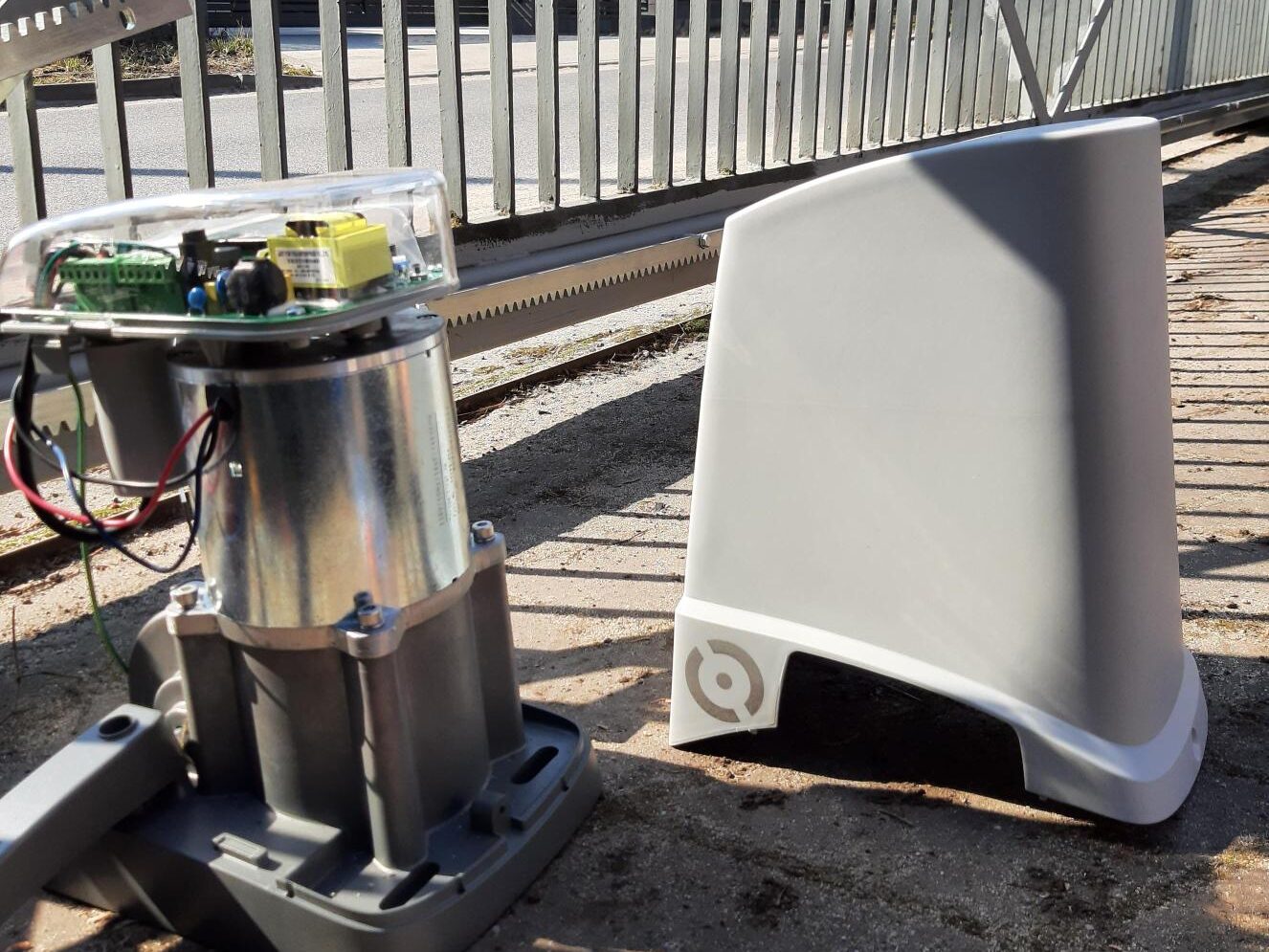
1. TECHNICAL CONDITION OF THE GATE  – If you want to install a drive for a sliding gate, it's worth first making sure it can be automated. To do this, you should check, among other things, the gate's levelness and the operation of all components, such as carriages and rollers.
2. SIZE AND WEIGHT OF THE GATE  – First and foremost, before choosing a drive, carefully check the specifications of your sliding gate. The right drive must be able to handle its weight and dimensions, so accurate measurements are crucial.
3. DRIVE TYPE  – Sliding gate drives can be divided into 230V and 24V motors. 230V drives are characterized by high power and durability and are used for residential and industrial gates. 24V drives are economical but primarily intended for lighter structures.
4. INTENSITY OF USE  – Another important parameter is the initial setting of the gate's opening and closing cycles. We distinguish between drives for residential gates up to 6 m long and weighing up to 300 kg, performing several or a dozen cycles daily, and drives for industrial gates up to 10 m long and weighing up to 1000 kg, with a duty cycle that allows for intensive XNUMX/XNUMX use (several hundred cycles).
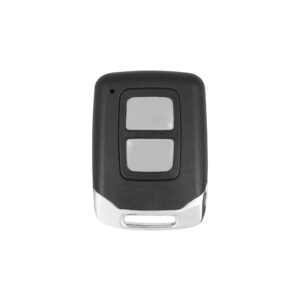
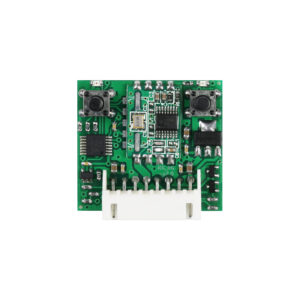
5. ADDITIONAL FEATURES  – Modern sliding gate drives offer a variety of additional features that enhance comfort and safety. It's worth considering a drive that offers features such as a wicket door, a calendar function, and the ability to connect an external receiver. These features can significantly simplify everyday gate operation.
To sum up, choosing the right drive for your sliding gate is crucial to ensuring its safe and comfortable use. It is therefore worth investing time in thoroughly understanding your needs and consulting with professionals to make the optimal decision.